

Improving Accessibility with Custom Ramp Construction
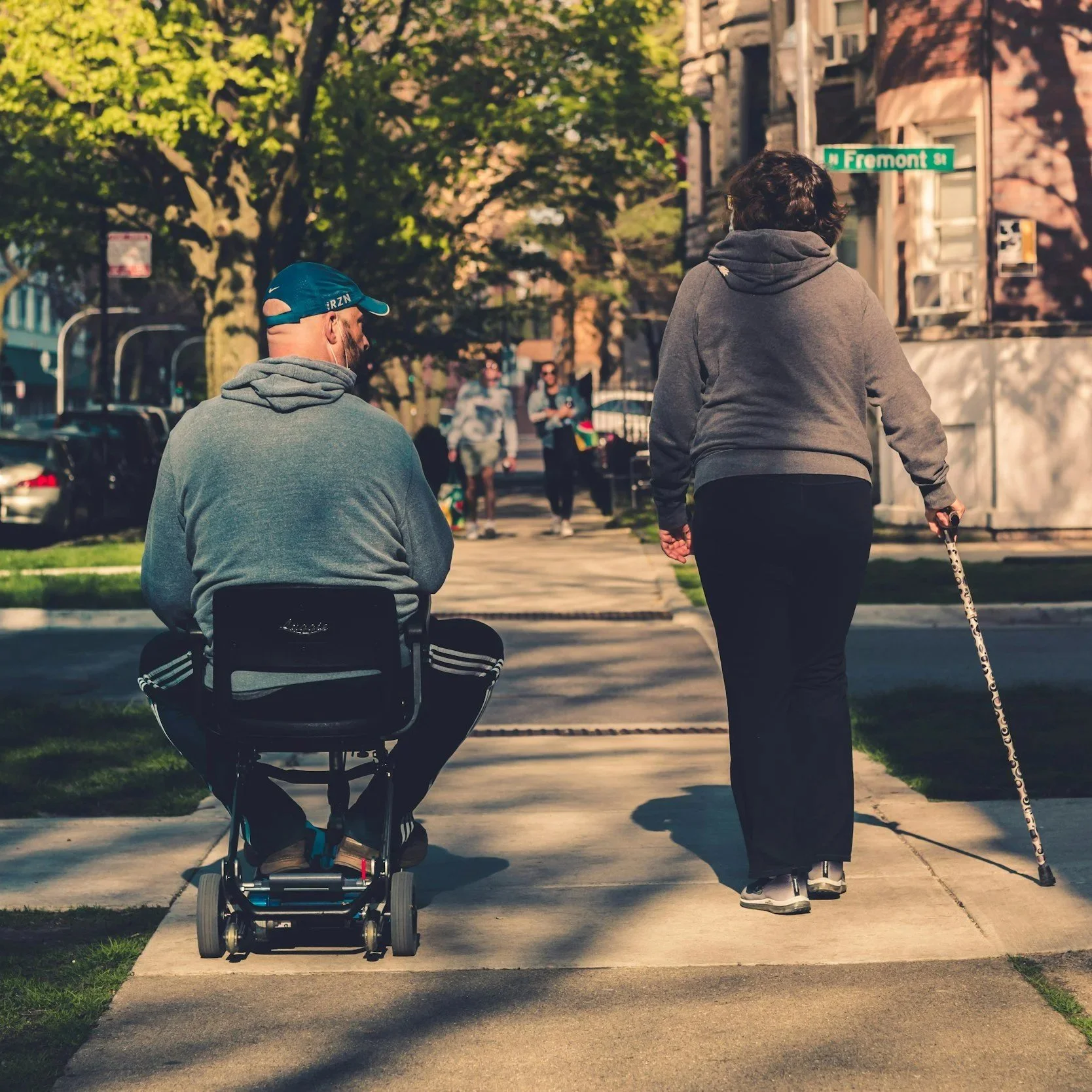
For individuals using wheelchairs, walkers, or mobility aids, a single step can become an insurmountable obstacle.
Designing spaces for inclusivity often starts at the entrance. For individuals using wheelchairs, walkers, or mobility aids, a single step can become an insurmountable obstacle. Custom ramps offer a safe, sturdy, and attractive solution that meets both aesthetic goals and physical needs. Ramp building has evolved far beyond temporary metal slopes and clunky plywood sheets—today’s designs are customized, smart, and thoughtfully integrated into homes and businesses alike.
Creating Independence with Thoughtful Design
Mobility is freedom. A custom-built ramp gives individuals control over their movement without relying on others for help. But the real win is in how the ramp fits the space without looking like an afterthought. Ramp building has taken a turn for the sophisticated, and rightfully so. Property owners want ramps that match the style of their home while delivering reliable functionality.
A well-constructed ramp can blend seamlessly into a porch or wrap naturally around a garden path. Design plans take into account slope, space, and structural integrity, resulting in something that functions beautifully without disrupting the overall flow of the property.
Choosing Materials That Last
Not all ramps are built the same, and materials matter just as much as measurements. Wood, concrete, and metal all serve different purposes depending on the site and the user’s needs.
Wood remains a popular choice for residential spaces. It offers natural beauty and flexibility in shape. Pressure-treated lumber stands up to weather, and stained or painted finishes can match the home’s existing features. Handrails, landings, and decorative trim create a sense of permanence rather than a clinical appearance.
Concrete ramps bring long-term durability and require little maintenance. Often favored in commercial settings or permanent residential installations, they resist shifting and cracking with the right base and proper reinforcement. While heavier in appearance, concrete can be colored or scored for visual interest.
Aluminum or steel ramps shine in modular systems. They’re lightweight, rust-resistant, and perfect for temporary or semi-permanent use. While not always as charming as wood or stone, metal ramps offer unbeatable functionality when time and budget are tight.
Meeting ADA Guidelines Without Compromise
Building a ramp isn’t just about laying boards at an angle. The Americans with Disabilities Act (ADA) outlines specific slope ratios, landing widths, handrail dimensions, and surface traction requirements. When these guidelines are followed, the ramp becomes more than a path—it becomes a safe, dignified transition.
The standard rule is a 1:12 slope—meaning for every inch of vertical rise, the ramp should extend twelve inches in length. This rule provides a gentle incline that’s manageable for wheelchairs and walkers. Handrails must be sturdy and set at a comfortable height. Landings are required at the top and bottom, offering a resting space or maneuvering area.
Compliance doesn’t mean boring. Creative builders find ways to incorporate the rules into beautiful structures that don’t scream “accessibility feature.” With the right eye and a bit of craftsmanship, a code-compliant ramp can become a highlight of the property rather than a compromise.
Integrating Aesthetics with Practicality
Nobody wants a ramp that looks like it belongs in a warehouse. The beauty of custom construction is the ability to design something that complements its environment. A sweeping wooden ramp can echo the lines of a craftsman-style bungalow. Brick or stone surfacing can blend into a historic home’s pathway. Even steel ramps can be softened with wood accents or strategic landscaping.
Color, trim, and landscaping help the ramp feel intentional. Low-growing plants and lighting around the base create a more integrated feel. Sometimes a wraparound path feels more natural than a direct line to the door—particularly in gardens or wooded lots.
The key is balance. Practicality should never be sacrificed for looks, but there’s no rule that says a ramp has to be unattractive. Design should respect both the user and the home.
Weatherproofing for All Seasons
Outdoor ramps need to work no matter what the sky is doing. Rain, snow, ice, and sun all take their toll, especially on surfaces designed for foot and wheel traffic. Custom ramps require thoughtful planning to stay safe and functional year-round.
Surface texture is critical. Smooth concrete or sealed wood can turn treacherous in wet weather, so textured finishes, grooved boards, or rubber treads help reduce slipping. Metal ramps benefit from punched or grated surfaces that let water drain through. Drainage plays a huge role—water needs somewhere to go, and pooling at the base of the ramp spells trouble fast.
Proper sealing and staining protect wood ramps from rot and warping. For snowy regions, incorporating a slight pitch for runoff and using snow-melt mats can keep things clear without heavy maintenance. Handrails benefit from powder-coated or treated finishes that resist corrosion and stay cool in the sun.
Safety and visibility go hand in hand. Solar path lights, motion-sensing fixtures, or low-profile LEDs along the railing help guide nighttime visitors. The lighting boosts safety and enhances curb appeal, turning the ramp into a nighttime feature rather than an afterthought.
Improving Function with Small Details
It’s the little things that separate a decent ramp from a great one. Thoughtful features enhance daily usability and comfort, making each trip up or down a little smoother. Rounded edges on railings, level transitions between ramp and entryway, and bump guards for wheelchairs all add comfort and stability.
Landings double as gathering spots or plant-filled porches when designed with personality. Non-slip mats near door thresholds help reduce interior dirt. If the property sees high foot traffic, a wider ramp with dual-direction railings may keep things flowing without crowding.
For homes with limited space, switchback ramps create a longer path in a tighter footprint. They zigzag neatly across the yard and offer resting points along the way, often with built-in benches or landscaping.
Serving More Than One Purpose
A ramp designed with care doesn’t just serve wheelchair users. Parents with strollers, delivery drivers, elderly guests, and folks hauling groceries all benefit from step-free access. Building with universal design in mind expands usefulness without additional cost.
Permanent ramps offer long-term value. As families grow, age, or recover from surgery, step-free entry becomes a welcome feature. Even if no one in the household currently needs mobility support, the ramp adds peace of mind and convenience for future circumstances.
Making Accessibility Invisible
The best accessibility features are the ones that blend into daily life without calling attention to themselves. Custom ramps that match the home’s style and layout disappear into the design. Friends, neighbors, and delivery folks use them without a second thought, and those who rely on them find comfort in not standing out.
The goal is subtle support, a quiet helping hand built right into the structure of the home. That’s where skilled ramp builders shine—by creating something useful that feels like it always belonged.
Investing in the Right Hands
Ramp building may sound simple, but it takes experience to do it right. From measuring slope to securing permits, the process requires technical know-how and creativity. Professional builders understand both the legal requirements and the lived experience of users.
A good contractor listens. They ask how the space is used, who may use the ramp, and what limitations exist. They look beyond basic dimensions and see the property as a whole, identifying opportunities for design that’s both helpful and harmonious.
The outcome is more than a sloped surface—it’s a new way for people to move through the world with freedom and dignity. A well-built ramp opens doors, literally and figuratively, and becomes part of the home’s heart.
