

Innovative Roofing Materials for Lasting Protection
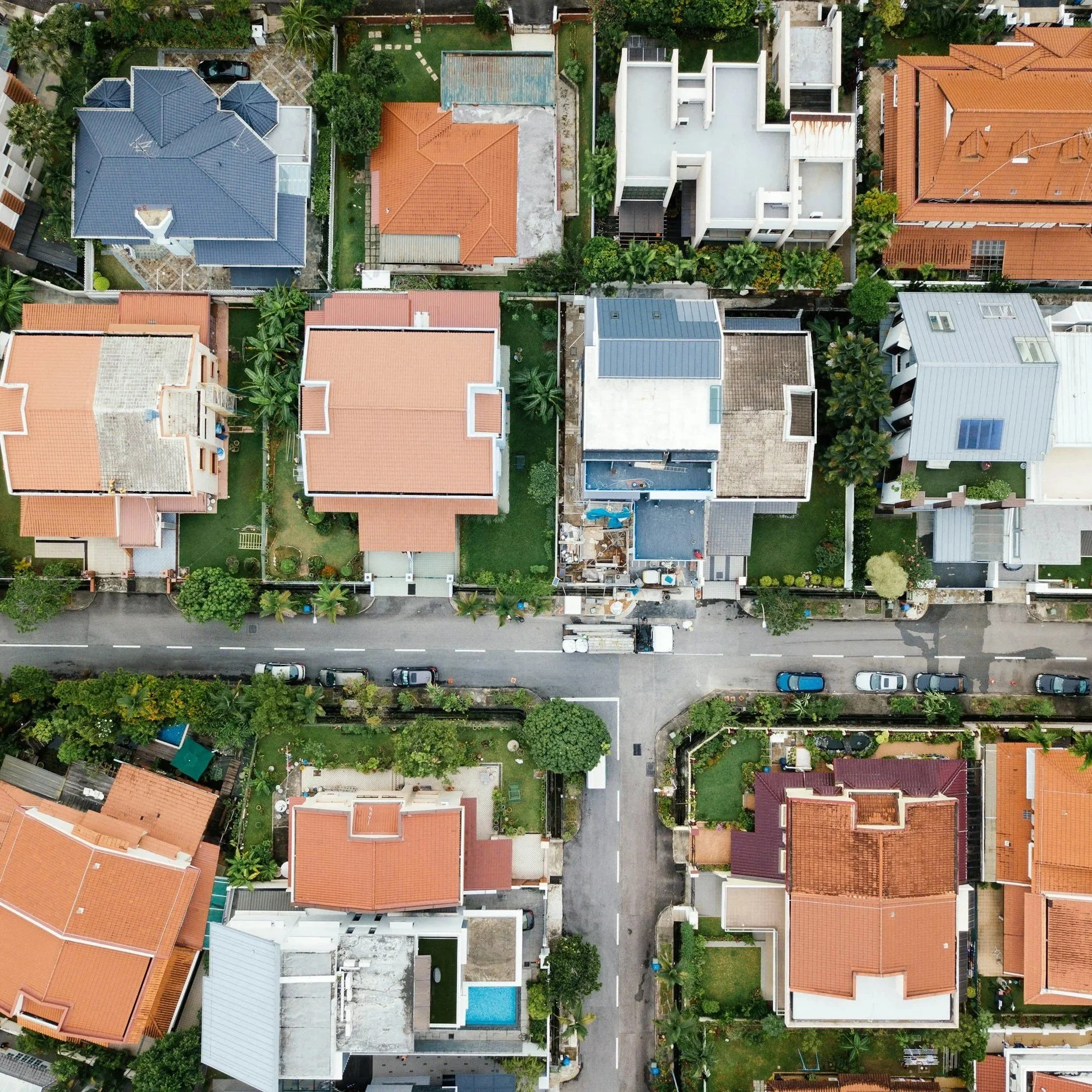
Explore innovative roofing materials that deliver lasting protection, energy efficiency, and modern style for homes seeking durability and long-term value.
Slate Roofing: The Timeless Titan
Slate roofing stands as a paragon of durability and elegance. With a lifespan ranging from 75 to over 150 years, slate tiles offer unparalleled longevity. Their natural composition provides inherent fire resistance and a distinctive aesthetic appeal. However, their substantial weight necessitates a robust structural framework, and the installation process demands skilled craftsmanship. While the initial investment is significant, the enduring nature of slate roofing often justifies the cost over time. Homeowners who appreciate timeless style and don't mind the extra weight on their rafters often choose slate as a top-tier option.
Slate also resists mold, rot, and insect damage, helping maintain its beauty and performance without constant intervention. Once installed correctly, it simply endures with quiet dignity. Although it leans toward traditional or historic architecture, it can also be customized with a range of colors and finishes to complement more contemporary designs. In regions with harsh weather, slate performs reliably, offering steadfast protection year after year.
Copper Roofing: The Living Finish
Copper roofing brings a unique blend of durability and evolving beauty. Over time, it develops a patina that not only enhances its visual appeal but also adds a layer of protection against corrosion. Lightweight and recyclable, copper roofs can last over 50 years. Their high cost and softness, which can lead to denting, are considerations for homeowners. Nonetheless, for those seeking a roof that combines longevity with a dynamic appearance, copper remains a compelling choice.
Beyond its lifespan and unique color, copper roofing also reflects heat efficiently, helping keep attics cooler and indoor temperatures more stable. While storms may leave a few cosmetic dings behind, copper continues to function as a top-notch weather shield. The natural antimicrobial properties of copper add another benefit, helping reduce microbial growth where water tends to linger. Elegant, durable, and forever changing, copper continues to gain popularity for those who want a bit of character above their heads.
Synthetic Shingles: Modern Marvels
Synthetic shingles, crafted from materials like recycled rubber or polymers, mimic the appearance of traditional roofing materials such as slate or cedar. They offer impressive durability, often lasting between 40 and 50 years, and boast a high resistance to impact, making them appropriate for areas prone to hail. Their lighter weight simplifies installation, and their eco-friendly composition appeals to environmentally conscious homeowners. While relatively new to the market, their performance and aesthetic versatility have quickly gained popularity.
These modern materials often incorporate UV inhibitors, which slow fading and preserve color vibrancy for years. Manufacturers engineer them to interlock and seal tightly, improving resistance to wind and water infiltration. Synthetic options typically cost less than the materials they replicate, offering a budget-friendly alternative with strong performance ratings. Available in an expanding range of colors, textures, and profiles, synthetic shingles bring modern efficiency to classic looks.
Metal Roofing: The Resilient Reflector
Metal roofing, particularly standing seam designs, offers a combination of strength and energy efficiency. With lifespans reaching up to 70 years, metal roofs resist fire, wind, and pests. Their reflective properties help lower cooling costs, and their recyclability adds an environmental benefit. Though the upfront cost is higher than that of traditional materials, the long-term savings and minimal maintenance requirements make metal roofing an attractive option for many homeowners.
Coated metal roofing offers even more benefits. Paint finishes come in countless hues and textures, with special formulations designed to reflect solar radiation or resist chalking and corrosion. For areas with heavy snowfall, metal's smooth surface sheds accumulation quickly. Fire-prone areas also benefit from metal's flame-retardant properties. Minimal seams in standing seam configurations help prevent leaks, and installation can often be completed faster than with slate or tile. Metal checks all the boxes when durability, sustainability, and design flexibility matter most.
Cool Roof Coatings: The Heat Deflectors
Cool roof coatings, such as those developed by NanoTech Materials, incorporate insulative ceramic particles to reflect sunlight and reduce heat absorption. These coatings can significantly lower indoor temperatures, reducing reliance on air conditioning. Additionally, they enhance the roof's resistance to fire and weathering. Application is straightforward, often involving a simple spray-on process, making it a practical upgrade for existing roofs seeking improved energy efficiency.
Beyond heat control, some cool roof coatings extend the life of roofing materials by shielding them from UV rays and thermal cycling. These coatings also help reduce thermal expansion and contraction, which commonly leads to cracking and leaks over time. Maintenance involves basic inspections and touch-ups, making it one of the more user-friendly upgrades available. For older roofs, cool coatings offer a second wind without the cost and disruption of full replacement.
Solar Roof Tiles: Power and Protection
Solar roof tiles integrate photovoltaic technology directly into roofing materials, enabling energy generation without traditional solar panels. These tiles blend seamlessly with various architectural styles and help reduce electricity bills. Advancements in solar technology have increased efficiency and affordability, making it an increasingly viable option for homeowners interested in sustainable energy solutions.
Unlike bulky traditional panels, solar shingles or tiles often resemble asphalt or slate, preserving curb appeal while harvesting clean power. In some systems, tiles connect to a central inverter, while others operate independently with microinverters. Battery storage compatibility allows excess energy to be stored for nighttime use. Their dual-purpose function as both a roof and an energy system makes solar tiles an investment in both comfort and future savings.
Green Roofs: Living Layers
Green roofs, or living roofs, feature vegetation growing on roofs. They provide natural insulation, reduce stormwater runoff, and improve air quality. While requiring more maintenance than conventional roofs, their environmental benefits and potential to extend the underlying roof's lifespan make them an appealing choice for eco-conscious property owners.
Extensive green roofs—planted with drought-resistant grasses and sedum—require less maintenance than intensive green roofs, which may include trees or vegetable gardens. Both types absorb sound, filter pollutants, and provide habitat for birds and beneficial insects. Green roofs also protect waterproofing membranes from temperature swings and UV rays, significantly extending roof life. In urban settings, they help reduce the heat island effect and enhance aesthetics in densely built environments.
Composite Shingles: The Balanced Choice
Composite shingles, made from a blend of materials like fiberglass and recycled plastics, strike a balance between durability and affordability. They resist cracking and curling, with lifespans typically ranging from 30 to 50 years. Their versatility in design allows homeowners to achieve a range of aesthetic goals without compromising performance. As a mid-range option, composite shingles offer a practical solution for those seeking both longevity and cost-effectiveness.
The construction of composite shingles gives them a degree of flexibility that helps them resist impact damage and withstand high winds. Many options come with extensive warranties that reflect their proven track records. They can be manufactured to resemble wood shake, tile, or even high-end slate at a fraction of the price. Installers favor them for ease of application and compatibility with most existing roof structures, reducing labor and material waste.
Clay and Concrete Tiles: Fire-Resistant Elegance
Clay and concrete tiles offer strong protection paired with Mediterranean charm. Highly resistant to fire, wind, and insect damage, they also perform well in hot, dry climates, where their heat-reflective properties help keep interiors cooler. Though heavy, like slate, they provide outstanding longevity—often surpassing 50 years when properly maintained.
Concrete tiles offer added customization, available in a broad range of finishes and profiles. Clay tiles, more traditional in appearance, feature natural pigments that resist fading over time. Their curved shapes encourage water runoff, and their durable surfaces shrug off UV exposure. In hurricane-prone regions, upgraded fasteners help keep tiles in place during extreme weather events. While installation and structural considerations add to the upfront workload, their performance rewards the effort.
